
Can you use whole wheat flour instead of all-purpose flour?


Factsheets, videos and more
Wheat foods are part of busy everyday meals, celebrations, and dishes from across cultures. What About Wheat brings together clear, practical answers to common questions about wheat foods, fibre, gluten, blood sugar and diabetes and whole grains. Browse downloadable factsheets, videos, and webinars developed with input from registered dietitians and our scientific advisory council. If you are a health provider, dietitian or clinician, or if you are just interested in learning more about wheat foods, these evidence-based resources support education, counseling and informed food choices.
JUMP TO
Whole grain wheat foods are an important source of dietary fibre, which supports digestive health and regularity. Fibre also contributes to a healthy gut environment and plays a role in overall wellness. Explore resources to understand how wheat foods fit into fibre-rich eating patterns. Explore how fibre feeds gut bacteria and supports a healthy microbiome. Learn how dietary fibre supports digestion, heart health, and blood sugar regulation.
Fibre & Digestive Health
Can you use whole wheat flour instead of all-purpose flour?
Is whole wheat a prebiotic?

Why is fibre important?

Can wheat support gut health?

Wheat as a Prebiotic: Gut Health & Research Spotlight
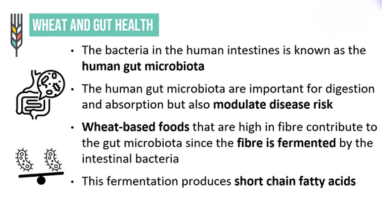
Gut Health Handout
Fibre Handout
Blood sugar management is an important part of overall health, particularly for people living with diabetes. Foods high in carbohydrates, including those made from wheat, can affect blood sugar levels. The amount of fibre, and whole grains as well as the glycemic index can influence how the body responds. Wheat foods like whole wheat bread and pasta can be part of balanced eating patterns. Learn how fibre, whole grains, and glycemic index impact blood sugar and diabetes management.
Blood Sugar & Diabetes
Can people living with diabetes eat wheat?

What are resistant starches?

Did you know pasta is a low glycemic food?

Are there benefits to freezing bread?

Diabetes Handout
Gluten is a naturally occurring protein found in wheat and other grains, and it plays an important role in how many foods are made. For most people, wheat and gluten are well tolerated, but some individuals may need to limit or avoid them, as with any food allergy or sensitivity. Removing wheat foods can also affect fibre and nutrient intake, depending on replacement choices. Understand the role of gluten in food and how it contributes to nutritional needs. Understand gluten’s role in food, sensitivities, and nutrient considerations when avoiding wheat. Learn how wheat foods deliver key nutrients that support overall health, and how food choices can affect nutrient intake.
Gluten & Wheat Sensitivities
Gluten Handout
Is avoiding gluten and wheat healthy?

Are global wheat foods different?

Does wheat have protein?

How does gluten impact the texture of sourdough bread?

Nutritional Benefits of Wheat handout
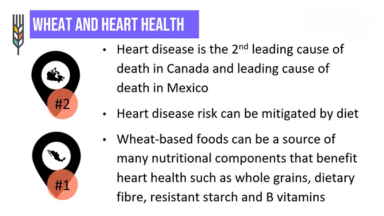
Heart disease is a major health concern in Canada, and diet plays an important role in managing risk. Whole grain foods, including wheat, provide nutrients such as fibre and B vitamins that are associated with heart health. Research shows that regular whole grain intake is linked with a lower risk of heart disease. Explore research and resources to understand how wheat foods fit into heart-conscious dietary patterns. Learn how whole grains and fibre help lower cholesterol and reduce heart disease risk.
Heart Health
Can Wheat Support Heart Health?
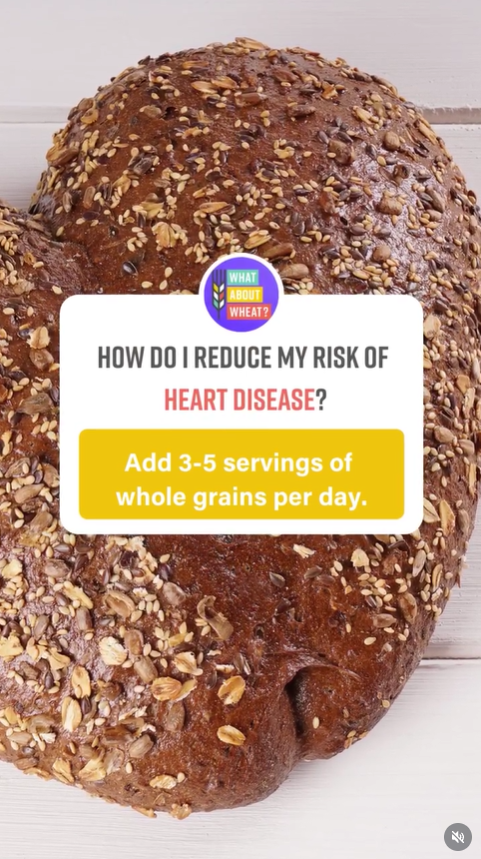
Heart Health Handout
Wheat and Heart Health: Research Spotlight
Wheat foods are part of everyday meals and special occasions across cultures, from bread and pasta to noodles, tortillas, and traditional dishes shared with family and friends. From common questions like whether pasta is healthy to understanding the basics of wheat foods, these resources help bring clarity to how wheat foods fit into everyday eating. Get a practical overview of wheat foods, fibre, whole grains, and common nutrition questions.
Understanding Wheat Foods
Is Bread Healthy?

Why eat Wheat?

Is pasta healthy

Can wheat enhance your workout and recovery?

Are cultural foods healthy?

Consumer Confusion About Whole Grains: Research Spotlight
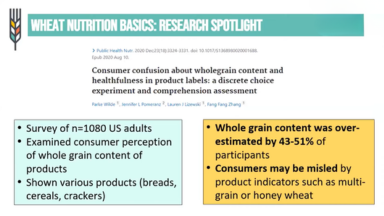
Wheat Basics Handout
In Canada, refined wheat flour or what is commonly known as all-purpose flour is enriched and fortified by adding key vitamins and minerals along with nutrients like folic acid that supports public health. This is regulated by Health Canada. This process helps ensure commonly consumed foods contribute important nutrients to Canadian diets. Learn how enrichment and fortification work and their role in the foods we eat every day.
Enrichment & Fortification
What is enriched flour?

Flour Milling – How is flour made?
Research Spotlight: Refined Wheat, Enrichment & Fortification